Are you sitting on years of Marietta equity and wondering how to turn it into your next home with confidence? You are not alone. Many Cobb County homeowners want more space, a different layout, or a new neighborhood but worry about timing, financing, and what they will actually net after costs. In this guide, you will learn a simple way to calculate usable equity, how to choose between buying first or selling first, and the smartest prep steps to capture strong offers in today’s market. Let’s dive in.
Marietta market snapshot now
Recent market indicators in Marietta show typical home values in the low to mid $400Ks, with the median list price near the high $400Ks as of January 2026. County-wide, inventory is meaningfully available and days on market are longer than the 2020–2021 peak frenzy. Prices remain resilient in many submarkets, but buyers now have more choices and expect clear value.
What this means for you: price to your specific micro‑market. East Cobb, the historic Marietta Square area, and west-side neighborhoods each draw different buyer profiles and pricing bands. Proximity to schools or walkable amenities can influence demand. The single most important number to anchor your plan is a current CMA from the local MLS.
Calculate your usable equity
Use this step-by-step method to estimate what you can bring to your next purchase. Build in a margin so you are not surprised by timing shifts or negotiations.
- Estimate sale price S. Use a fresh CMA and recent closed comps.
- Subtract mortgage payoff M. Request exact payoff(s) with per‑diem from your lender.
- Subtract seller closing costs C. Include commissions, title/escrow, prorated taxes, transfer tax, recording, HOA transfer or estoppel fees, and any seller concessions. Georgia’s real estate transfer tax is set by statute and is roughly $1 per $1,000 of sale price. See the Georgia transfer tax statute.
- Subtract pre‑listing costs R. Think cleaning, paint, light repairs, and staging.
- Subtract a contingency reserve X. Plan 1–3% of S to cover date shifts or credits.
Usable equity formula: Usable equity ≈ S − M − C − R − X
Example (illustrative only, using Jan 2026 price context):
- S (likely sale price) = $472,100
- M (mortgage payoff) = $120,000
- C (closing costs) = $26,800 in commission + $7,100 other fees + about $472 transfer tax
- R (repairs/staging) = $7,500
- X (reserve) = $5,000
Estimated net proceeds ≈ $472,100 − 120,000 − 26,800 − 7,100 − 472 − 7,500 − 5,000 ≈ low $300Ks.
Commission structures changed after 2024 and are negotiable. Your strategy on any buyer‑agent compensation should support showings and offer flow while aligning with your goals. Ask for a detailed seller net sheet to see how each assumption affects your bottom line.
Tax note: If this is your principal residence and you meet IRS ownership and use tests, you may be able to exclude up to $250,000 of gain if single or $500,000 if married filing jointly. Review IRS Publication 523 and consult your tax advisor.
Buy first or sell first
Both paths can work for equity‑rich owners. Decide based on your risk tolerance, cash reserves, and the rarity of the home you want.
Sell first:
- Pros: No overlap in mortgages, proceeds are certain for your next down payment, and your purchase offer can be clean.
- Cons: You may need temporary housing or negotiate a leaseback if you cannot find the next home in time.
Buy first:
- Pros: You secure the next home and move once, which is ideal when the exact floor plan or location is rare.
- Cons: You must qualify to carry two properties for a period or use short‑term financing with higher costs.
Simple decision check:
- Do you have access to a HELOC, bridge funds, or cash reserves for two months of overlap plus a contingency?
- Is the next home uncommon enough that waiting could mean missing it?
- Would a single move and stronger purchase position outweigh short‑term financing costs?
If yes, buying first can make sense. If you prefer certainty and simplicity, selling first is often the smoother choice.
Bridge financing options
- Bridge loan: Short‑term financing that lets you write a non‑contingent offer on your next home while your current home is listed. Terms commonly run 6–12 months with higher rates and fees than standard mortgages. Review a neutral bridge loan overview and ask lenders for side‑by‑side scenarios.
- Cash‑out refinance: Replace your current mortgage with a larger loan and pull cash for the next down payment. Conventional cash‑out limits usually cap around 80% loan‑to‑value, subject to underwriting. See conventional cash‑out refinance limits and get quotes early.
Underwriting note: If you own two homes simultaneously, lenders will include both payments when they calculate your debt‑to‑income ratio and may require reserves. A strong preapproval that models two‑home ownership will clarify your range.
Prep for top offers in Marietta
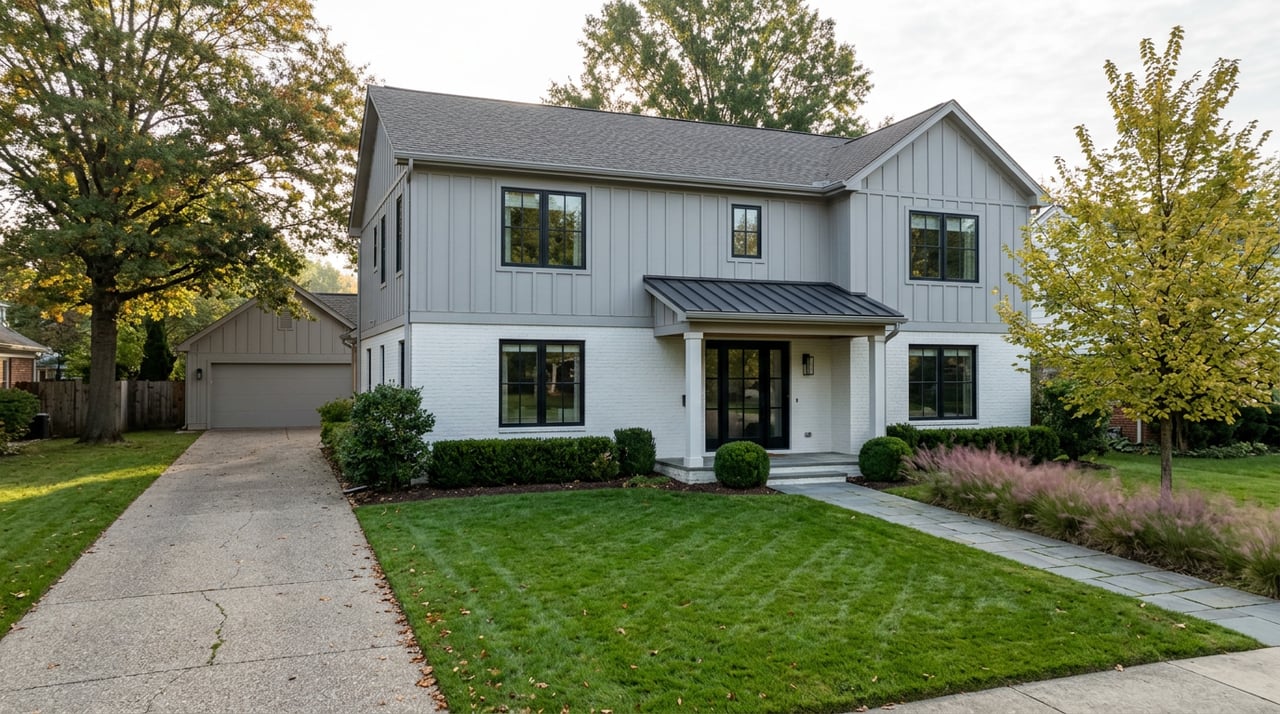
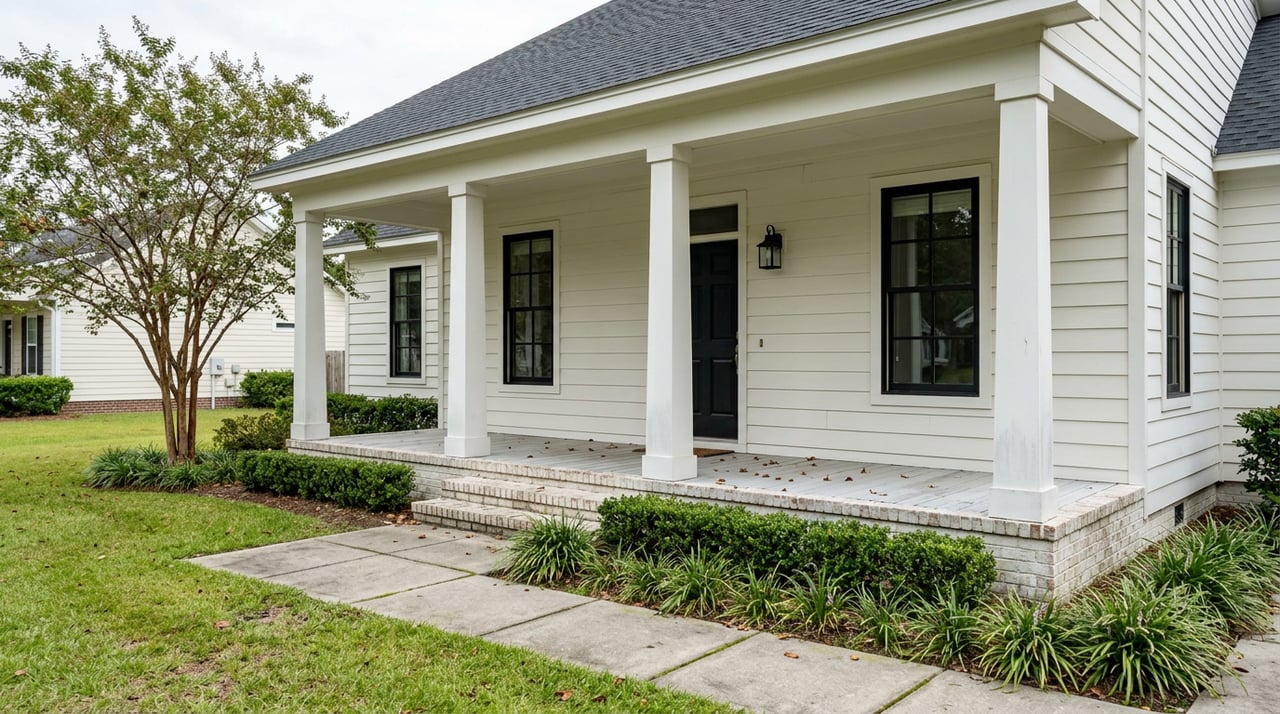
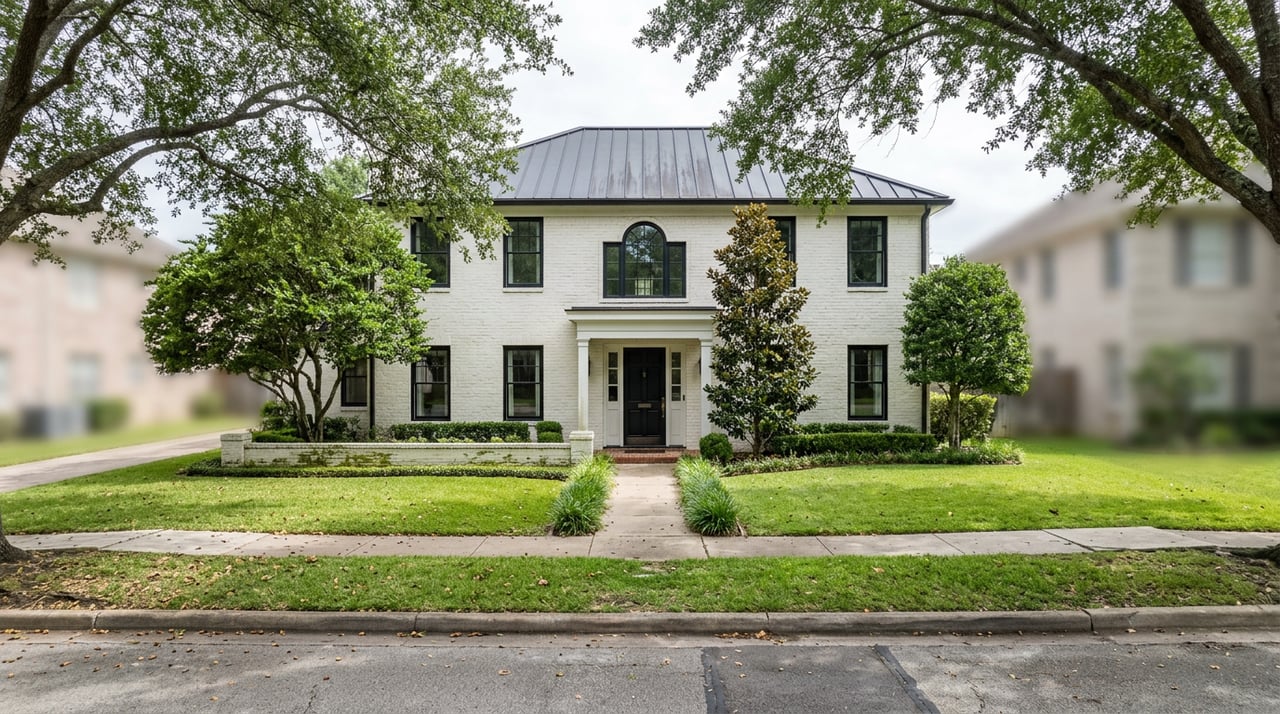
You do not need a gut renovation. Focus on high‑impact, lower‑cost upgrades that photograph well and boost buyer confidence.
- Clean, declutter, and apply neutral paint where needed.
- Elevate curb appeal: fresh mulch, trimmed shrubs, pressure washing, and a crisp entry. Regional Cost vs Value data for Atlanta show entry doors, garage doors, and minor exterior work often recoup a high share of costs. Review the Cost vs Value report for Atlanta.
- Refresh the kitchen: updated hardware, lighting, painted cabinets, and new counters can outperform an expensive full remodel on resale ROI.
- Update a dated primary bath: modern lighting, vanity, and tile go a long way.
- Invest in professional photos, a floor plan, and targeted staging. Independent staging statistics show staged homes often sell faster and help buyers understand space.
Neighborhood nuance: In East Cobb subdivisions near schools, practical updates and yard presentation tend to matter. Near Marietta Square, curb appeal and thoughtful presentation of historic details often resonate. Use recent, hyperlocal comps to tailor your plan.
Timelines that work
- Sell first timeline: 0–7 days of prep, then list. Expect 1–6 weeks of marketing depending on season and price bracket, followed by inspection, appraisal, and loan steps. Most closings occur 30–45 days after contract.
- Buy first timeline: Secure preapproval and any bridge or HELOC approval (often 1–2 weeks), purchase and move in, then list your current home within 0–30 days. Budget for a month or two of overlapping carrying costs and confirm occupancy rules with your lender.
Your move‑up seller checklist
- Request a current CMA and a detailed seller net sheet.
- Obtain your official mortgage payoff letter(s).
- Order title work and any HOA estoppel early.
- Complete a pre‑listing inspection and handle priority repairs.
- Tackle curb appeal, declutter, and stage for photography.
- Decide sequencing: sell first or buy first. Confirm bridge, HELOC, or cash‑out options with at least two lenders.
- Prepare tax and legal items: review IRS Publication 523 and discuss questions with your CPA or attorney. For transfer tax and recording details, see the Cobb County Superior Court Clerk and the Georgia transfer tax statute.
Local resources for clarity
- Cobb County Board of Tax Assessors for valuations and exemptions.
- Cobb County Superior Court Clerk for recording and PT‑61 guidance.
- Freddie Mac Primary Mortgage Market Survey for current mortgage‑rate context.
Ready to move up with confidence?
If you are planning a move within Marietta or across north‑Atlanta suburbs, you deserve a precise, low‑stress plan that protects your equity. Our team pairs data‑driven pricing with premium listing marketing and a coordinated closing timeline so you can step into your next home smoothly. Start with a tailored valuation and a strategy session. Connect with The Suits Team to get your plan and Get Your Instant Home Valuation.
FAQs
How do I estimate what I will net when selling my Marietta home?
- Use the formula S − M − C − R − X. Get a fresh CMA for S, request exact payoff(s) for M, include all closing costs for C, add pre‑listing repairs for R, and set aside a 1–3% reserve for X. Ask your agent for a seller net sheet.
Should I buy first or sell first in Cobb County?
- If you can comfortably carry two months of overlap, value moving once, and the next home is rare, buying first can be smart. If you prefer certainty and fewer financing variables, sell first, then purchase with your proceeds.
What seller costs should I expect in Georgia?
- Plan for commissions, title/escrow, prorated taxes, recording, HOA transfer or estoppel fees, and Georgia’s transfer tax. The transfer tax is defined by statute; review the Georgia transfer tax statute.
Are buyer‑agent commissions still required in 2026?
- Commission is negotiable. Many sellers still offer buyer compensation to support showings and offers, but it is your choice. For context on industry policy, see NAR’s note on commission negotiability.
Will I owe capital gains tax when I sell my Marietta residence?
- If you meet IRS ownership and use tests for your principal residence, you may exclude up to $250,000 of gain if single or $500,000 if married filing jointly. Review IRS Publication 523 and consult your tax advisor.