Choosing between historic charm and newer convenience in Marietta is not just about the house itself. It is about how you want to live day to day, what kind of rules you are comfortable with, and whether you value character, amenities, or a mix of both. If you are trying to decide where you will feel most at home, this guide will help you compare the tradeoffs clearly and confidently. Let’s dive in.
Historic Marietta at a Glance
Historic Marietta offers a more layered streetscape than many newer communities. The City of Marietta says it includes five National Register Historic Districts, four locally designated landmarks, three locally designated residential historic districts, and the Downtown Marietta Historic District. That depth shows up in the look and feel of the area.
Older neighborhoods in Marietta often include a wide mix of home styles on the same block. City materials for the Church Cherokee neighborhood reference shotguns, gable-end forms, pyramid cottages, Georgian cottages, bungalows, English cottages, post World War II small houses, ranches, split levels, and later infill. For you as a buyer, that usually means more architectural variety and less of a one-size-fits-all look.
What Historic Areas Feel Like
Historic Marietta tends to feel more street-oriented and pedestrian-scaled, especially near downtown. In the Downtown Marietta Historic District, city code addresses things like porch projections, spacing between buildings, height, and setbacks. That kind of pattern often creates a more connected, walkable environment than a typical suburban subdivision.
You may also notice that older neighborhoods feel more established over time. Streets can show a blend of original homes, additions, renovations, and selective infill. If you enjoy character and a sense of evolution, that can be a major draw.
Newer Marietta Neighborhoods at a Glance
Newer Marietta communities often center on predictability, shared amenities, and HOA structure. Instead of architectural variety built over decades, these neighborhoods tend to offer more consistent home styles, more standardized layouts, and a clearer package of what comes with the community.
East Park is one example. It describes itself as a covenant-protected master-planned community with 362 homes, protected green space, sidewalks throughout, a resort-style pool, clubhouse, tennis center, playground, and an active HOA. Other neighborhoods such as Paces Farm, The Oaks at Powers Ferry, and Crestwood follow a similar pattern with combinations of pools, clubhouses, greenspace, playgrounds, gated access, or community gathering areas.
What Newer Communities Feel Like
In many newer neighborhoods, daily life is designed around built-in amenities and easier maintenance expectations. You may trade some historic character for floor plans that feel more current and community spaces that are ready to use from day one. If you want a neighborhood where the look and rules are more consistent, newer construction can feel simpler.
These communities also tend to highlight convenience in a different way. Some emphasize proximity to major roads like I-75 and I-285, while others market quick access to Marietta Square without being located in the historic core. That can work well if your routine depends more on driving than walking.
Architecture and Home Style Differences
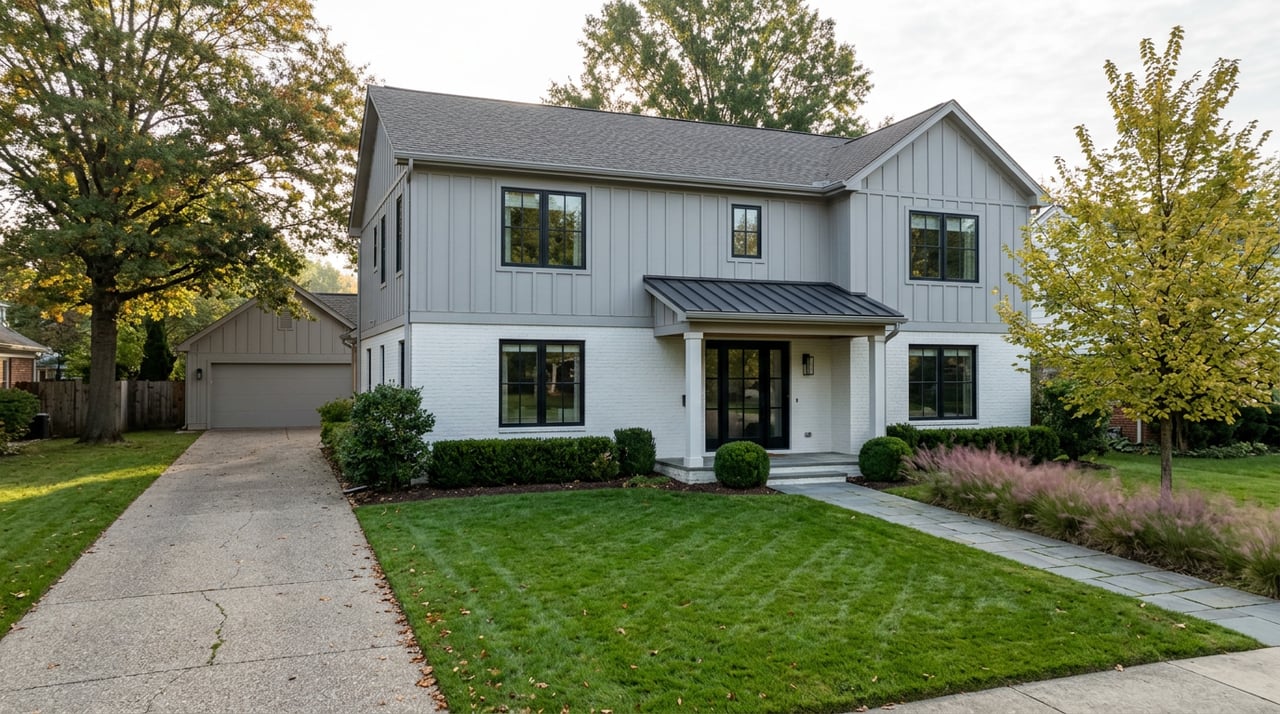
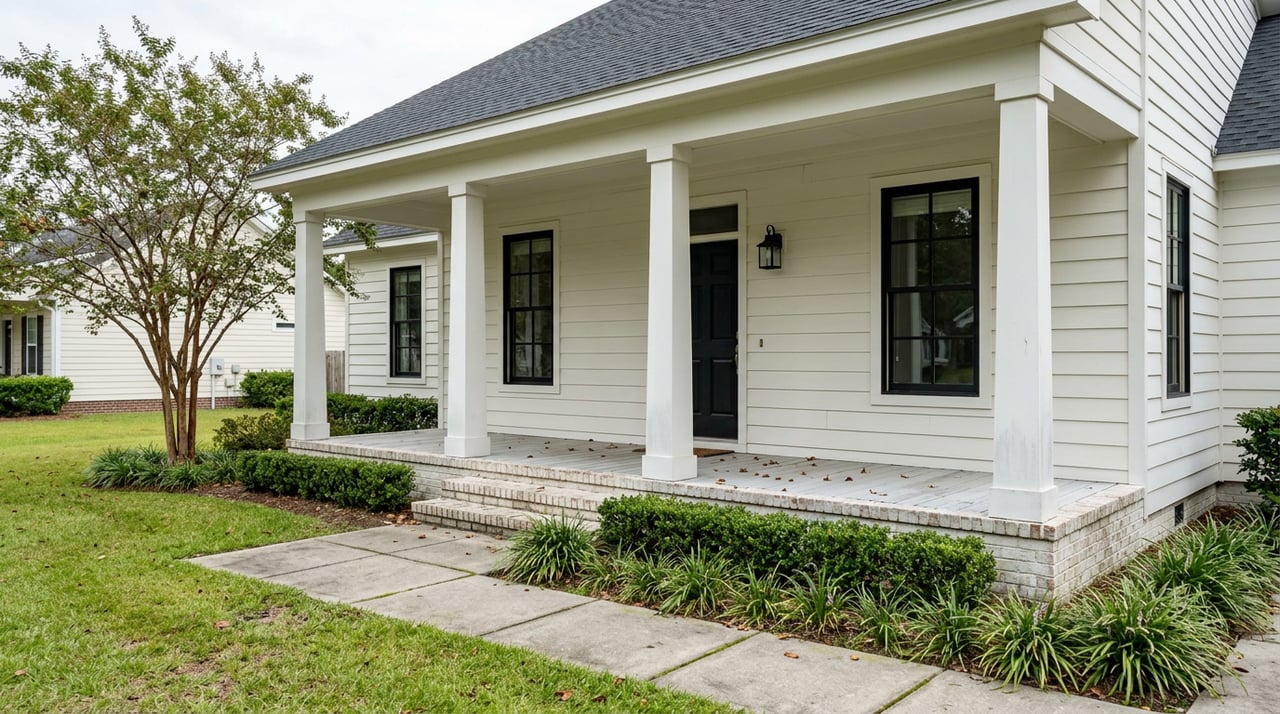
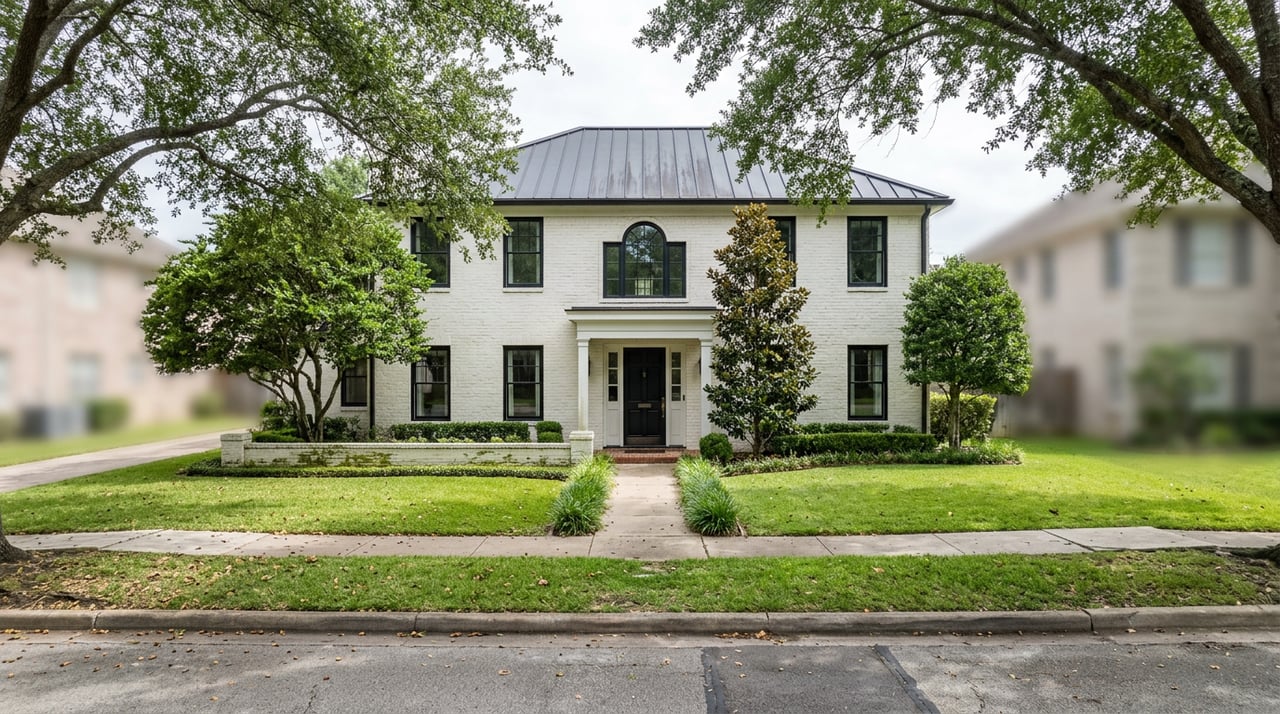
One of the biggest differences between historic and newer Marietta neighborhoods is visual variety. In older areas, the homes often reflect many building eras and design trends. That can make each street feel distinct, with homes that have their own quirks, proportions, and renovation stories.
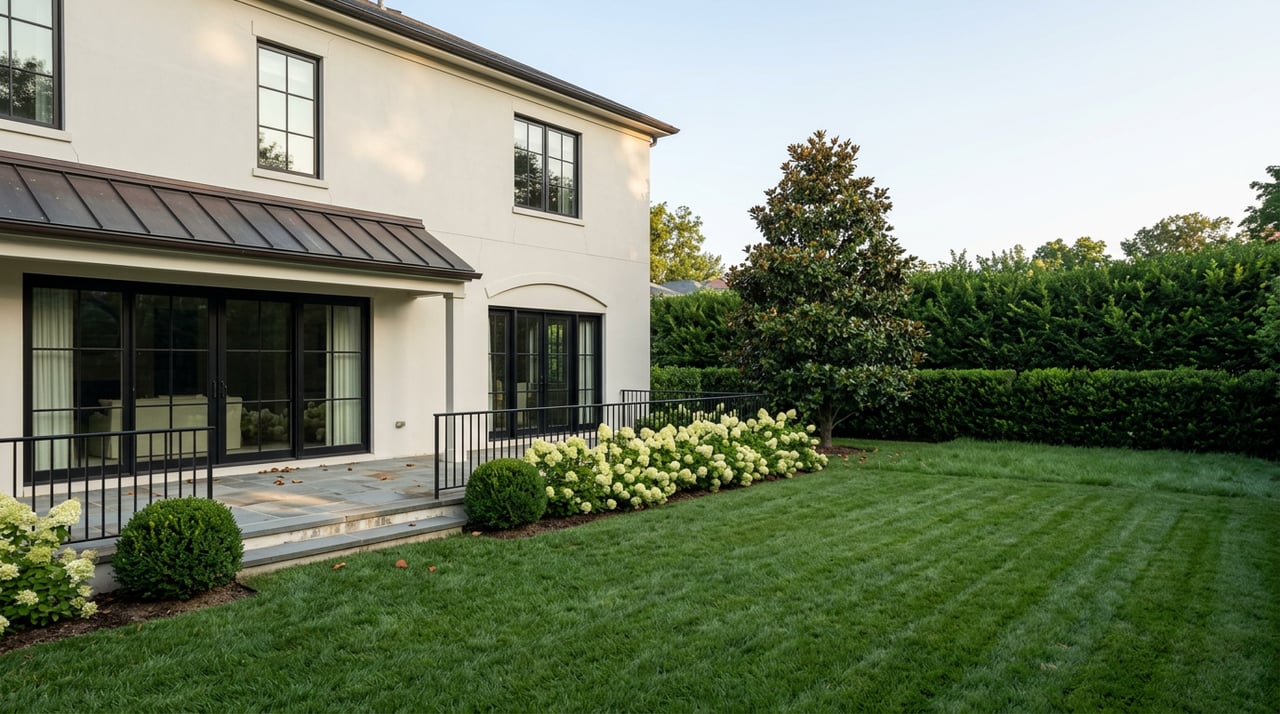
In newer neighborhoods, homes are usually more uniform in age and planning. You are more likely to see repeatable elevations, similar setbacks, and floor plans designed for modern expectations such as open-concept living and multi-story layouts. That consistency can be appealing if you want fewer surprises and a more cohesive neighborhood appearance.
Which Style Fits Your Priorities
If you are drawn to originality, detail, and homes that do not all look the same, historic Marietta may feel more compelling. If you prefer a more turnkey look with a familiar layout and updated features, a newer neighborhood may better match your goals.
Neither choice is automatically better. The right fit depends on whether you want character and variation or simplicity and consistency.
Renovation Potential and Exterior Changes
Historic homes in Marietta often attract buyers who want the chance to personalize a property over time. The city’s historic handbook discusses traditional materials, preservation practices, compatible additions, and infill that visually relates to nearby buildings. It also references preservation-related resources such as federal and Georgia historic rehabilitation credits and a Georgia property tax freeze.
That said, renovation in some historic areas comes with added review. In the Downtown Marietta Historic District, certain exterior changes, demolition, signs, lights, walls, sidewalks, and paving can require city approval. If you are considering a historic home, it is smart to assume changes may be possible, but not always quick or fully flexible.
HOA Rules in Newer Neighborhoods
Newer communities often shift the focus from preservation review to HOA governance. Under Georgia’s Property Owners’ Association Act, lot owners must comply with lawful association documents and reasonable rules. The law also provides for annual member meetings, notice requirements, and enforcement tools, and Georgia’s 2024 statutory summary notes updates to enforcement and meeting provisions that took effect July 1, 2024.
For you, the practical takeaway is simple. In a newer HOA community, exterior freedom is often more limited because uniformity is part of the neighborhood model. In an older neighborhood outside a tightly regulated historic district, you may have more flexibility, but you still need to confirm what rules apply to the specific property.
Lifestyle Near Marietta Square
If you want the most walkable lifestyle in Marietta, the area around Marietta Square stands out. The city describes the Square as the central gathering place at the heart of Marietta, with Glover Park at its center and a mix of festivals, concerts, markets, shopping, antiques, restaurants, museums, and theatres. Glover Park itself includes a fountain, gazebo, stage, benches, playground, parking, and walking-distance access to shopping and dining.
That setup creates a rhythm that feels different from many suburban neighborhoods. You may be able to walk to dinner, spend time at an event, or enjoy the park without planning a full outing around driving. It is not car-free, but it is one of the clearest examples of a walkable, activity-rich lifestyle in Marietta.
Dining and Events in the Historic Core
Dining is a major part of the experience near the Square. The city’s 2026 Taste of Marietta announcement says the event returns to the historic Square with more than 40 restaurants, live entertainment, and a long-running food festival tradition. Marietta Square Market also adds to the concentration of food options near downtown.
If your ideal weekend includes grabbing coffee, meeting friends for lunch, or catching a local event nearby, historic in-town living may line up well with your routine. For many buyers, that is one of the strongest reasons to focus near the Square.
Lifestyle in Newer Marietta Communities
Newer communities often support a different kind of daily life. Instead of relying on a downtown street grid for activity, they usually build recreation into the neighborhood itself. Sidewalks, pool areas, clubhouses, greenspace, playgrounds, and pavilions create places to spend time close to home.
That can be a strong fit if you prefer a more contained neighborhood environment. You may drive to shopping or dining more often, but you can still enjoy planned recreation and community amenities without leaving the subdivision. For some buyers, that tradeoff feels practical and low-stress.
Internal Walkability vs Destination Walkability
This is one of the clearest contrasts in Marietta. Historic neighborhoods near the Square often support spur-of-the-moment walks to events, dining, or errands. Newer communities more often support internal walkability, meaning walks within the neighborhood itself, followed by driving to larger destinations.
If you are deciding between the two, think about your actual weekly habits. Do you want to walk out your front door and head toward downtown activity, or do you prefer a neighborhood where recreation happens inside the community and errands happen by car?
Commuting and Access Across Marietta
Marietta’s road network matters no matter which style of neighborhood you prefer. The city says Marietta has easy access via I-75, U.S. Highway 41, and many state routes. Cobb County also maintains live traffic conditions and interstate congestion maps, which highlights how important commute planning can be in your search.
Some newer neighborhoods lean heavily on that access as part of their appeal. Communities near I-75 or I-285 may be especially attractive if your work or routine takes you across the metro regularly. Historic in-town areas may offer stronger access to the Square lifestyle, but your commuting pattern should still play a major role in the decision.
Trails and Connectivity
Marietta is also investing in broader connectivity. The city’s trail planning includes the 13.5-mile Mountain to River Trail and the Rottenwood Creek Trail, including a segment through Historic Downtown Square. That adds another layer to how residents move through and enjoy the area.
For buyers who value outdoor access, this is worth watching. Trail connections can support recreation, local mobility, and the overall feel of a neighborhood over time.
How to Choose the Right Fit for You
The historic versus newer question in Marietta usually comes down to lifestyle first and house second. Historic neighborhoods tend to appeal to buyers who value character, variety, walkability near the Square, and renovation potential. Newer neighborhoods often appeal to buyers who want amenities, a more predictable community setup, and easier access to major roads.
A simple way to compare your options is to ask yourself:
- Do you want architectural character or a more standardized look?
- Do you want to walk to downtown activity or enjoy amenities inside the neighborhood?
- Are you comfortable with historic district review, HOA rules, or either one?
- Do you want renovation potential or a more turnkey floor plan?
- How much does highway access matter in your daily routine?
When you answer those questions honestly, the right direction usually becomes much clearer. In Marietta, both paths can work well. The key is choosing the one that supports how you actually want to live.
If you are comparing historic streets near the Square with newer planned communities across Marietta, having local guidance can make the process much easier. The right neighborhood match is not just about current listings. It is about understanding the rules, rhythm, and long-term fit behind each option. If you want tailored insight on where to focus your search or how to position your home for sale, connect with The Suits Team.
FAQs
What is the difference between historic and newer Marietta neighborhoods?
- Historic Marietta neighborhoods usually offer older housing stock, more architectural variety, and stronger proximity to the Square, while newer neighborhoods often offer more standardized homes, planned amenities, and HOA governance.
What should buyers know about renovating a historic home in Marietta?
- Some historic properties may allow meaningful updates, but homes in regulated historic districts can require city approval for certain exterior changes, demolition, signs, lighting, walls, paving, and related work.
What should buyers know about HOA rules in newer Marietta communities?
- In newer HOA communities, owners generally must comply with lawful association documents and reasonable rules, and assessment obligations can become liens under Georgia law.
What is lifestyle near Marietta Square like for residents?
- The area around Marietta Square offers one of the city’s strongest walkable lifestyles, with access to Glover Park, restaurants, markets, festivals, museums, theatres, and other downtown activity.
What amenities do newer Marietta neighborhoods often include?
- Based on local community examples, newer neighborhoods may include features such as sidewalks, pools, clubhouses, tennis facilities, playgrounds, greenspace, pavilions, gated access, or landscaped common areas.
How do commuting patterns affect where to live in Marietta?
- Marietta has access to I-75, U.S. Highway 41, and state routes, so your decision may depend on whether you prioritize in-town walkability near the Square or quicker highway-oriented access for regional travel.