If you have been thinking about trading intown Atlanta energy for more space and a different daily rhythm, Alpharetta is probably on your shortlist. It can be a smart move, but it is not just "Atlanta with bigger yards." You are stepping into a market that is typically more suburban, more ownership-oriented, and often more expensive, so it helps to know what really changes before you make the jump. Let’s dive in.
Alpharetta Feels Different From Intown Atlanta
The biggest shift is simple: Alpharetta usually offers a lower-density, more ownership-focused environment than intown Atlanta. Census data shows Alpharetta has a 65.1% owner-occupied housing rate compared with 46.4% in Atlanta, and population density is lower at 2,446.7 people per square mile versus 3,685.7 in Atlanta.
That difference often shows up in your day-to-day life. You may find more separation between homes, more neighborhood-style development, and a stronger emphasis on single-family ownership. At the same time, that lifestyle comes with a higher price point, with a median owner-occupied home value of $649,000 in Alpharetta compared with $439,600 in Atlanta.
Housing in Alpharetta Is Not One-Size-Fits-All
A lot of buyers picture Alpharetta as one uniform suburban landscape. In reality, the city includes a broad range of housing types, lot sizes, and neighborhood formats.
Estate-Lot Alpharetta
Some parts of Alpharetta are planned for a larger-lot lifestyle. The city’s comprehensive plan describes Residential Estate areas as single-family detached homes on lots of 3 acres and greater, while Very Low Density Residential includes detached homes on 1-acre and 22,000-square-foot lots.
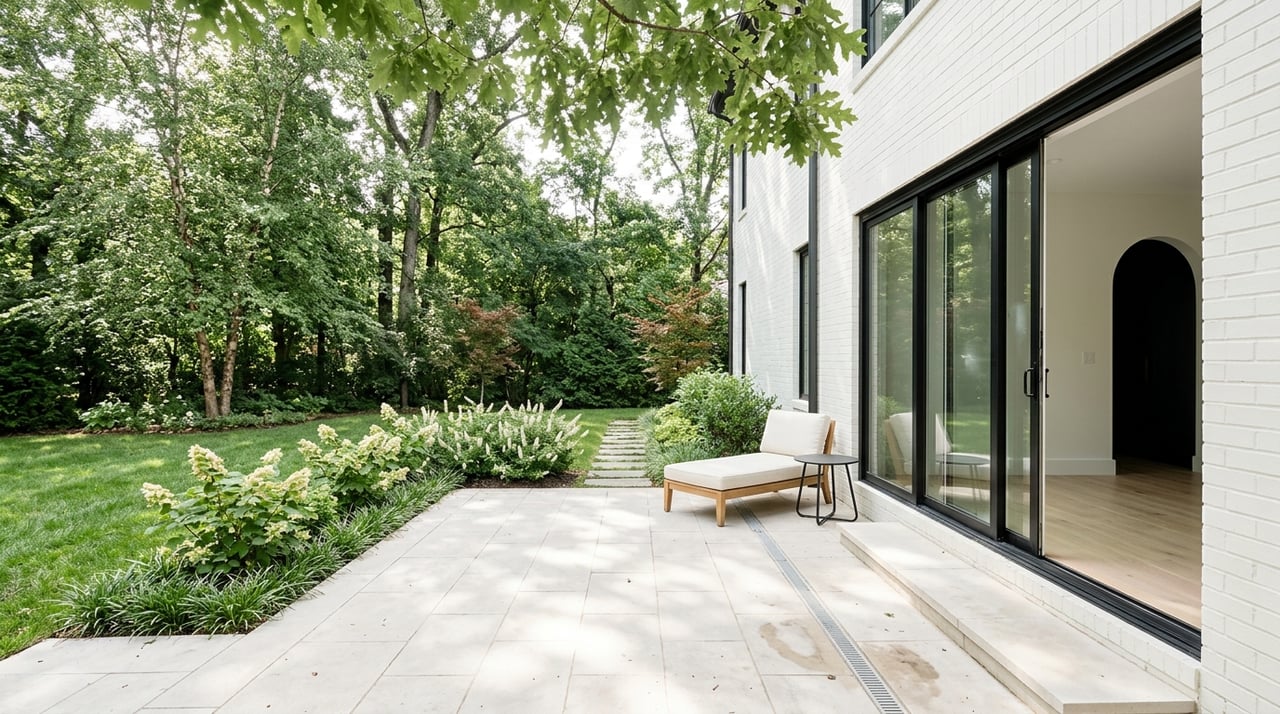
If you are moving from intown Atlanta because you want more land, more privacy, or simply more breathing room, these areas may match what you are after. This version of Alpharetta feels distinctly suburban and, in some places, almost estate-like.
Traditional Suburban Alpharetta
Other neighborhoods fit what many buyers think of as classic suburbia. The city’s Low Density Residential category includes detached homes on 15,000 to 12,000-square-foot lots, while Medium Density Residential includes detached homes on 10,000-square-foot lots and attached housing up to 4 dwelling units per acre.
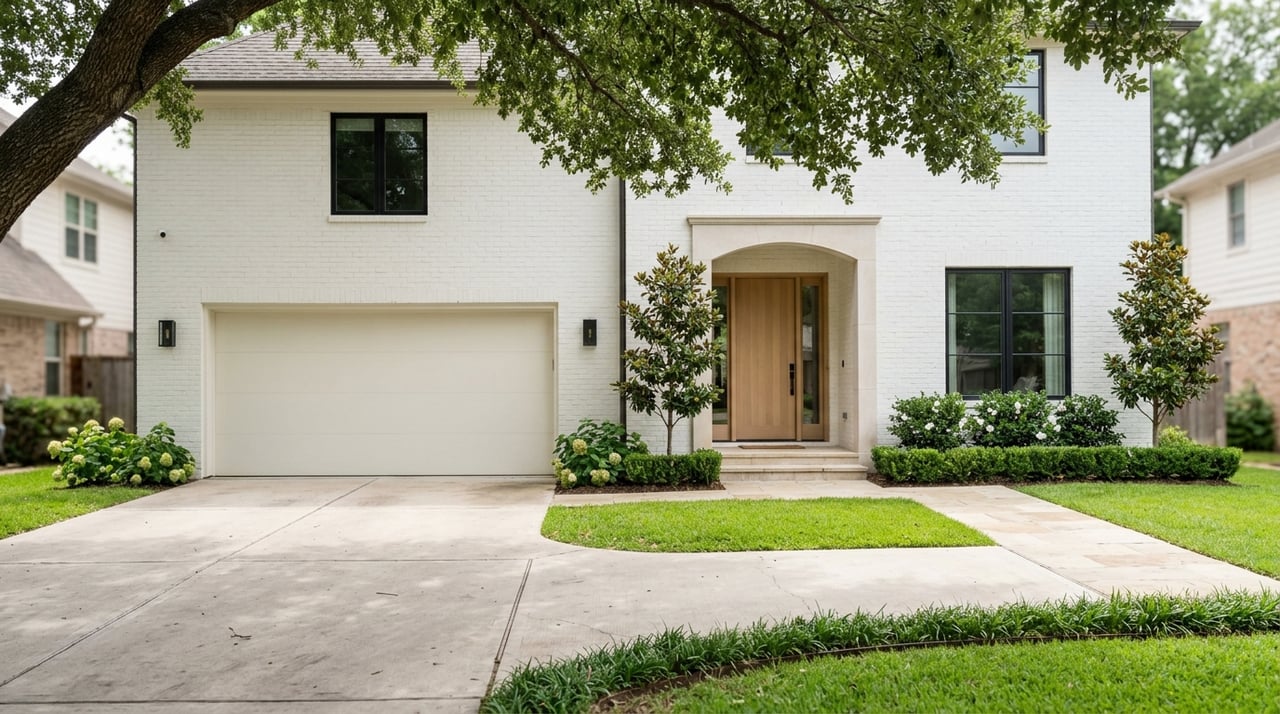
This is often where buyers find the balance between more space and manageable upkeep. You may get a neighborhood setting, amenities, and convenient access to daily needs without committing to the largest lot sizes.
Downtown and Mixed-Use Alpharetta
If you are worried that moving to Alpharetta means giving up walkability altogether, it is important to look at the city core. Alpharetta’s downtown development code is specifically designed to support compact development that works with the area’s historic character.
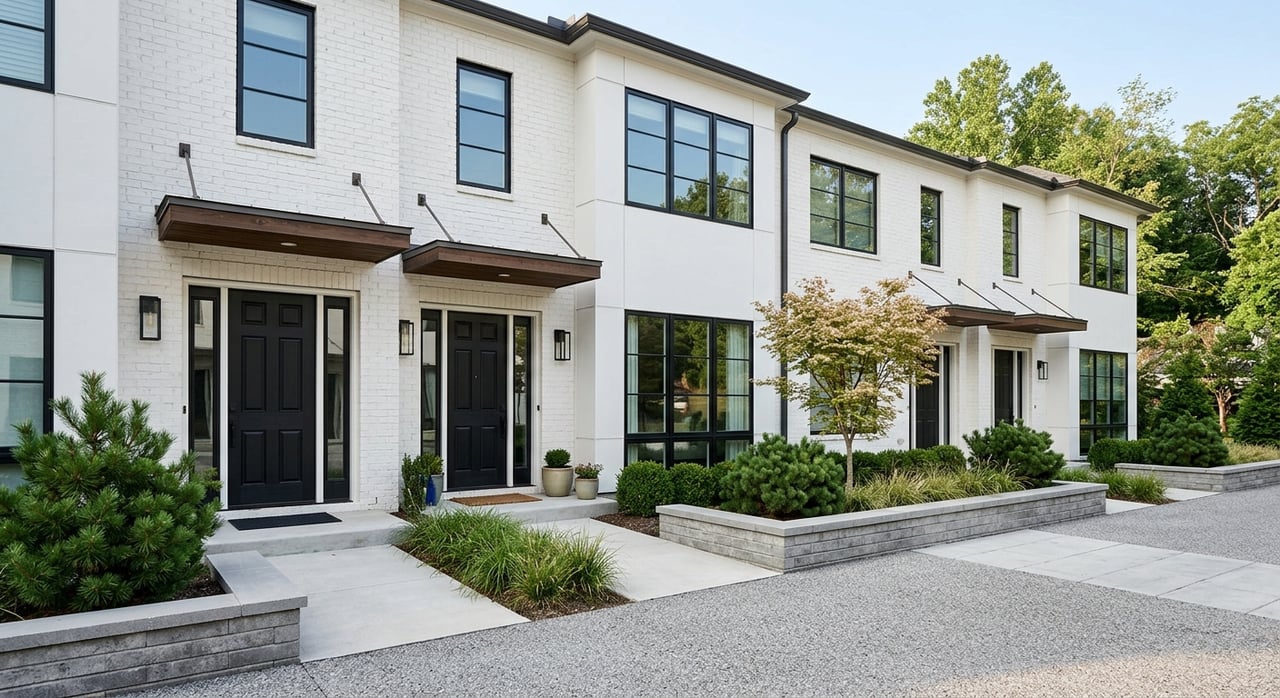
That code allows a wide mix of housing and building types, including detached houses, carriage houses, semi-detached houses, townhouses, cottage courts, walk-up flats, mixed-use buildings, and more. Lot standards can be much smaller here, including 2,500 square feet for detached and semi-detached houses, 1,200 square feet for cottage courts, and 900 square feet for townhouses.
The takeaway is that Alpharetta is best understood as a spectrum. You can find larger-lot neighborhoods, more traditional subdivisions, and more compact, mixed-use environments depending on where you focus your search.
Expect a Different Commute Pattern
One of the biggest adjustments for intown Atlanta buyers is transportation. In Alpharetta, the conversation usually becomes more about corridors, highway access, parking, and destination-specific timing than about a rail-first routine.
Census data puts Alpharetta’s mean travel time to work at 26.3 minutes citywide, but that should not be read as a promise for your personal commute. Your actual drive time will depend heavily on where you work, when you leave, and how close you are to major routes.
GA-400 Matters More Here
For many Alpharetta residents, GA-400 becomes a major part of daily movement. That can feel very different if you are used to living and working inside the intown core, where shorter local drives or rail access may have shaped your routine.
When you are choosing where to live, it helps to think less about mileage and more about your real path. A home that looks close on a map may feel very different in practice depending on corridor access and your work schedule.
Park-and-Ride Can Be Part of the Plan
Transit is still part of the picture, but it often looks different than it does intown. MARTA Route 185 runs between North Springs Station and the Windward Park & Ride, serving GA-400, Holcomb Bridge Road, East Crossville Road, Mansell Road, and Alpharetta Highway.
That means some buyers can build a hybrid routine that combines driving and transit. If that matters to you, it is worth evaluating specific locations based on how easily you can reach a park-and-ride or key corridor rather than assuming the same transit pattern you had intown.
Lifestyle Often Shifts Toward Convenience and Recreation
For many people, the move to Alpharetta is not only about the house. It is also about how you want your week to feel.
The city highlights amenities and recreation such as AlphaLoop, tennis and pickleball, Wills Park Pool, arts programming, and other community activities. The city also describes Big Creek Greenway as 6.2 miles of trails, along with a broader park system that includes playgrounds, picnic shelters, tennis courts, fields, walking trails, and equestrian facilities.
That combination can appeal to buyers who want easier access to outdoor recreation, organized amenities, and a more planned suburban rhythm. Instead of relying mostly on intown density and proximity, you may find yourself prioritizing trail access, neighborhood amenities, and mixed-use hubs.
Mixed-Use Living Is Part of Alpharetta Too
Suburban does not always mean separated uses or long drives for every errand. Avalon is a strong local example of a mixed-use destination, with 86 acres that include more than 570,000 square feet of retail, a 12-screen premium theater, a conference center, a hotel, Class A office space, single-family residences, and luxury rental homes.
For some buyers, that kind of environment offers a middle ground. You can get a more suburban home base while still enjoying pockets of walkable convenience and an active commercial center.
HOA Rules Can Be a Bigger Deal Than You Expect
If you are moving from intown Atlanta, one of the most important adjustments may be understanding how neighborhood and community associations work. In Alpharetta, HOA questions are not just about whether there is a monthly fee.
You also need to know what the fee covers, what the rules are, and what kind of association governs the property. That can vary a lot from one community to the next.
What HOA Dues May Cover
In some communities, dues primarily support amenities and covenant administration. In others, dues may go much further and include exterior maintenance or shared services.
For example, North Farm is a 252-home covenant-protected subdivision with a pool and tennis/pickleball courts. The Orchards of Sweet Apple is a ranch-style condominium community where the monthly association fee covers yard and exterior maintenance, roof replacement, water, insurance, clubhouse access, and the pool.
Restrictions Can Differ Widely
Association rules can also shape how flexible the property is over time. Some communities may have leasing restrictions or rules related to exterior changes, maintenance standards, or property use.
One example is Somerset at Henderson Village, a 63-home swim-and-tennis community where leasing or renting is prohibited by covenant. That does not mean all Alpharetta communities work this way, but it does show why reviewing the details matters before you buy.
What Buyers Usually Gain and Trade Off
Every move involves tradeoffs, and this one is no different. The key is making sure the tradeoffs fit your priorities rather than chasing a generic idea of suburban living.
Common Gains
If you move from intown Atlanta to Alpharetta, you may gain:
- More housing options centered on ownership
- Access to larger lots in some areas
- More neighborhood-style amenities
- Strong access to parks, trails, and recreation
- Mixed-use destinations that blend convenience with a suburban setting
Common Tradeoffs
You may also need to plan for:
- Higher home values on average
- More car dependence in many parts of the city
- Commutes that depend heavily on corridor access and timing
- Wider variation in HOA structures, dues, and restrictions
How to Choose the Right Part of Alpharetta
The best move is usually not asking whether Alpharetta is better than intown Atlanta. It is asking which version of Alpharetta fits the life you want next.
If you want space and privacy, estate-lot or very low-density areas may make sense. If you want a more familiar neighborhood feel with single-family homes and amenities, traditional suburban sections may be a better fit. If you want more compact living with easier access to shops, dining, and activity centers, downtown and mixed-use areas deserve a close look.
That kind of clarity matters because Alpharetta is not a single lifestyle in one package. It is a city with several distinct ways to live, and the right fit depends on your budget, commute, maintenance preferences, and daily routine.
A thoughtful move starts with matching your real priorities to the right pocket of the market. If you are planning a move from intown Atlanta to Alpharetta, The Suits Team can help you compare neighborhoods, understand the tradeoffs, and make a confident move with local insight and a high-touch process.
FAQs
What is the biggest lifestyle change when moving from intown Atlanta to Alpharetta?
- The biggest shift is usually moving to a lower-density, more ownership-oriented, and often more car-dependent environment with generally higher home values.
What should buyers know about Alpharetta home prices compared with Atlanta?
- Census data shows the median value of owner-occupied homes is $649,000 in Alpharetta compared with $439,600 in Atlanta, so many buyers should expect a higher price point.
What types of homes can buyers find in Alpharetta?
- Alpharetta offers a range that includes estate-lot single-family homes, traditional suburban neighborhoods, and more compact downtown options such as townhouses, cottage courts, and mixed-use housing.
What should commuters know about living in Alpharetta?
- Many commutes are shaped by GA-400 access, park-and-ride options, and destination-specific traffic patterns, so it helps to evaluate homes based on your actual route rather than mileage alone.
What should buyers ask about Alpharetta HOA communities?
- You should ask what the dues cover, whether exterior maintenance is included, what amenities are offered, whether leasing is restricted, and what type of association governs the property.
What recreational amenities does Alpharetta offer residents?
- Official city materials highlight AlphaLoop, Big Creek Greenway, tennis and pickleball, Wills Park Pool, arts programming, and a broader park system with trails, fields, courts, playgrounds, and picnic areas.