Trying to decide between a townhome and a single-family home in Sandy Springs? You’re not alone. With a mix of established neighborhoods and new, walkable communities near transit and jobs, the choice often comes down to how you want to live and what you want to spend month to month. In this guide, you’ll learn the tradeoffs in cost, financing, resale, and lifestyle so you can choose with confidence. Let’s dive in.
Snapshot: key differences
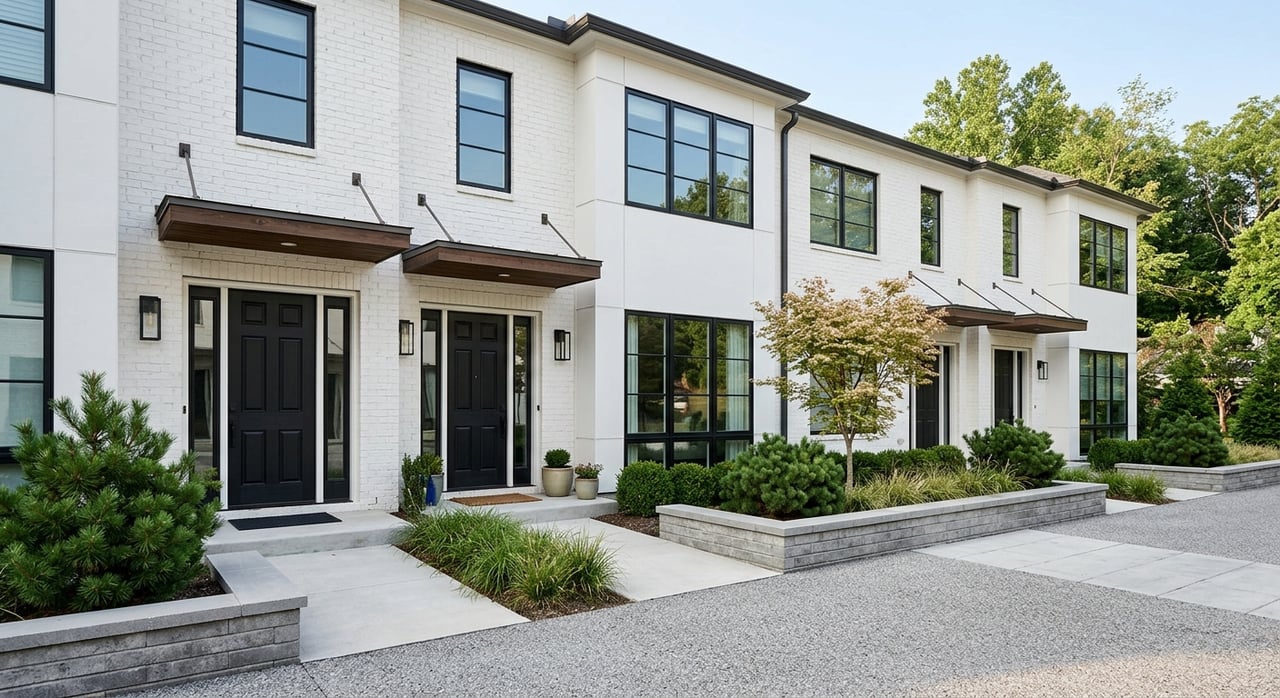
- Location patterns: You’ll find more townhomes around City Springs, Perimeter Center, and along major corridors convenient to MARTA and GA-400. Single-family homes are more common in established neighborhoods with larger lots and mature trees.
- Lifestyle feel: Townhomes offer convenience and often include exterior maintenance through an HOA. Single-family homes typically provide more privacy, outdoor space, and customization potential.
- Cost structure: Townhomes usually have HOA dues that may cover exterior items and shared amenities. Single-family homes shift more maintenance and replacement costs to you directly.
- Who they suit: Townhomes often fit first-time buyers, downsizers, and busy professionals who value low-maintenance living and transit access. Single-family homes tend to appeal to households seeking yard space, flexibility, and long-term renovations.
Price and total monthly cost
Purchase price is only one piece of the puzzle. In Sandy Springs, many townhomes are more affordable than comparable single-family homes, but premium townhome communities close to City Springs or Perimeter can approach single-family pricing. The right comp set matters, so compare by location, size, and features in the same submarket.
Townhome HOA dues often cover exterior maintenance, roof and structure insurance under a master policy, landscaping of common areas, and amenities. Single-family homes may have low or optional HOA dues, but you’ll pay out of pocket for yard care, exterior upkeep, reserves for big-ticket items, and individual insurance. Property taxes apply to both and are impacted by Fulton County and City of Sandy Springs millage, with potential homestead exemptions if you occupy the home as your primary residence.
Use this quick monthly comparison to estimate total cost:
- Principal and interest: Based on purchase price and your loan terms.
- Property taxes: Verify with Fulton County examples and current millage.
- Insurance: Individual HOI for single-family; townhome owners should confirm what the master policy covers and what personal coverage is required.
- HOA dues (if any): Note what’s included so you don’t double count costs like exterior maintenance or roof reserves.
- Utilities and maintenance: Yard care, exterior painting, roof reserves, and systems upkeep for single-family; interior maintenance for townhomes.
Financing, appraisal, and insurance
Not all attached housing is financed the same. Many fee-simple townhomes are underwritten like single-family homes. But if a home is part of a condominium regime, certain loans may require project approvals or additional documentation. Connect with a lender early to confirm whether a property is a fee-simple townhouse or a condo and what that means for FHA/VA eligibility and underwriting timelines.
Appraisers rely on recent comparable sales. In areas with both townhomes and single-family homes, value differences tied to lot size and type can complicate comps. Expect your appraiser and agent to pull the closest matches by product type and neighborhood to support value.
Insurance needs differ by property type. Single-family homes typically need full dwelling coverage and may require flood insurance if the property lies in a mapped flood zone. Townhome communities may carry a master policy that insures the exterior structure, while owners carry interior and liability coverage. If you’re shopping near the Chattahoochee River corridor or low-lying areas, review FEMA flood maps and local GIS resources, and discuss risk and premium impacts with your insurer.
Resale value and demand drivers
Buyer pools vary. Single-family homes tend to attract households seeking yards, privacy, and room to expand. Townhomes often appeal to commuters and professionals who want to be close to Perimeter Center, the Pill Hill medical district, and MARTA’s Red Line, as well as downsizers who want less maintenance.
Resale strength depends on what buyers value in each type. For single-family homes, lot size, school assignment, renovation potential, and street appeal can support appreciation. For townhomes, community maintenance, walkability, and proximity to retail and transit are key. HOA health matters too. Buyers and lenders look closely at reserve funding, master insurance, and any history of special assessments.
Liquidity can shift by market cycle. In a family-focused market, single-family homes may move quickly. In a commuter-driven phase, well-located townhomes near transit and employment nodes can be very liquid. Your pricing strategy should lean on current, neighborhood-level comps and recent days-on-market trends.
Lifestyle fit: who thrives where
- Families seeking space: Single-family homes typically provide more yard, parking flexibility, and expansion potential. Bedroom count and functional layouts can be easier to customize.
- Empty nesters and downsizers: Many prefer townhomes for lower maintenance while staying close to familiar services, dining, and community events near City Springs.
- Young professionals and commuters: Townhomes near MARTA, GA-400, and I-285 offer shorter commutes to Buckhead, Midtown, and the Perimeter business district.
- Investors: Rental rules vary. Some HOAs restrict leasing or require permits, and local licensing rules may apply to short-term rentals. Always confirm community covenants and city regulations before you buy.
Local factors that matter in Sandy Springs
Transit and highways shape daily life. Access to the MARTA Red Line, GA-400, and I-285 heavily influences commute times. If you split your week between Perimeter Center and Midtown, prioritize locations near stations or efficient highway access.
Neighborhood types differ across the city. Closer to City Springs and Perimeter, you’ll see more townhomes and attached options near retail and dining. Established single-family neighborhoods offer larger lots, mature trees, and a traditional suburban feel. River-adjacent areas and Morgan Falls can offer scenic settings, and you should evaluate elevation and floodplain exposure if a property sits near the Chattahoochee.
Schools are an important factor for many buyers. Sandy Springs is served by Fulton County Schools, and specific attendance zones can influence pricing and demand for both single-family and townhome properties. Always verify current boundary maps directly with the district before you rely on a school assignment.
Seller strategies by property type
Pricing should follow hyper-local comps by property type and micro-location. For single-family homes, highlight lot size, outdoor living, and any expansion or renovation potential. For townhomes, emphasize low maintenance, proximity to transit and employers, and any community amenities that reduce your buyer’s monthly obligations.
Prepare documentation early. Townhome sellers should organize HOA documents, financial statements, master insurance details, and any recent special assessment information so buyers and lenders can review quickly. Single-family sellers should disclose lot or drainage history, tree work, system updates, and any prior flood or insurance claims.
Market timing depends on absorption and days on market in your submarket. Review recent MLS data just before you list to set pricing and adjust quickly if buyer activity shifts.
How to choose: a simple framework
- Clarify your must-haves: Yard vs. low maintenance, privacy vs. walkability, space to expand vs. turnkey convenience.
- Map your routine: Commute routes to Perimeter, Pill Hill, Buckhead, and Midtown; access to MARTA; weekend activities near City Springs and parks.
- Run the full monthly: Loan payment, taxes, insurance, HOA dues, utilities, and realistic maintenance reserves. Compare apples to apples by what HOA dues include.
Ready for local, data-backed guidance tailored to your goals? Connect with The Suits Team for a focused consult and neighborhood-level comps. If you’re selling, use our premium marketing and pricing strategy to maximize your outcome. If you’re buying, we’ll help you model total cost, confirm HOA and zoning details, and position you to win the right home.
FAQs
What costs make townhomes and single-family different in Sandy Springs?
- Townhomes often include HOA dues that may cover exterior maintenance, common-area landscaping, and a master insurance policy, while single-family homes shift those costs to you directly through individual upkeep, reserves, and insurance.
Are townhomes harder to finance than single-family in Sandy Springs?
- Fee-simple townhomes typically finance like single-family homes; condominium-regime properties may require project approvals for certain loans, so you should confirm property type with your lender early.
How do schools affect home values in Sandy Springs?
- School assignment can influence buyer demand and pricing, so verify current attendance zones with Fulton County Schools and compare recent neighborhood comps before you rely on a specific school.
What should I check about HOA health before buying a townhome?
- Review recent budgets, reserves, master insurance coverage, any special assessment history, rental policies, and maintenance responsibilities to avoid surprise costs.
Is flood risk a concern near the Chattahoochee River?
- Some areas near the river can have floodplain exposure; check FEMA flood maps and local GIS resources and discuss insurance implications with your insurer before you buy.
Which sells faster in Sandy Springs: townhomes or single-family?
- It depends on location and market cycle; well-located townhomes near MARTA and job centers can be very liquid, while single-family homes often move quickly in family-focused submarkets—use current MLS days-on-market data to guide timing.